
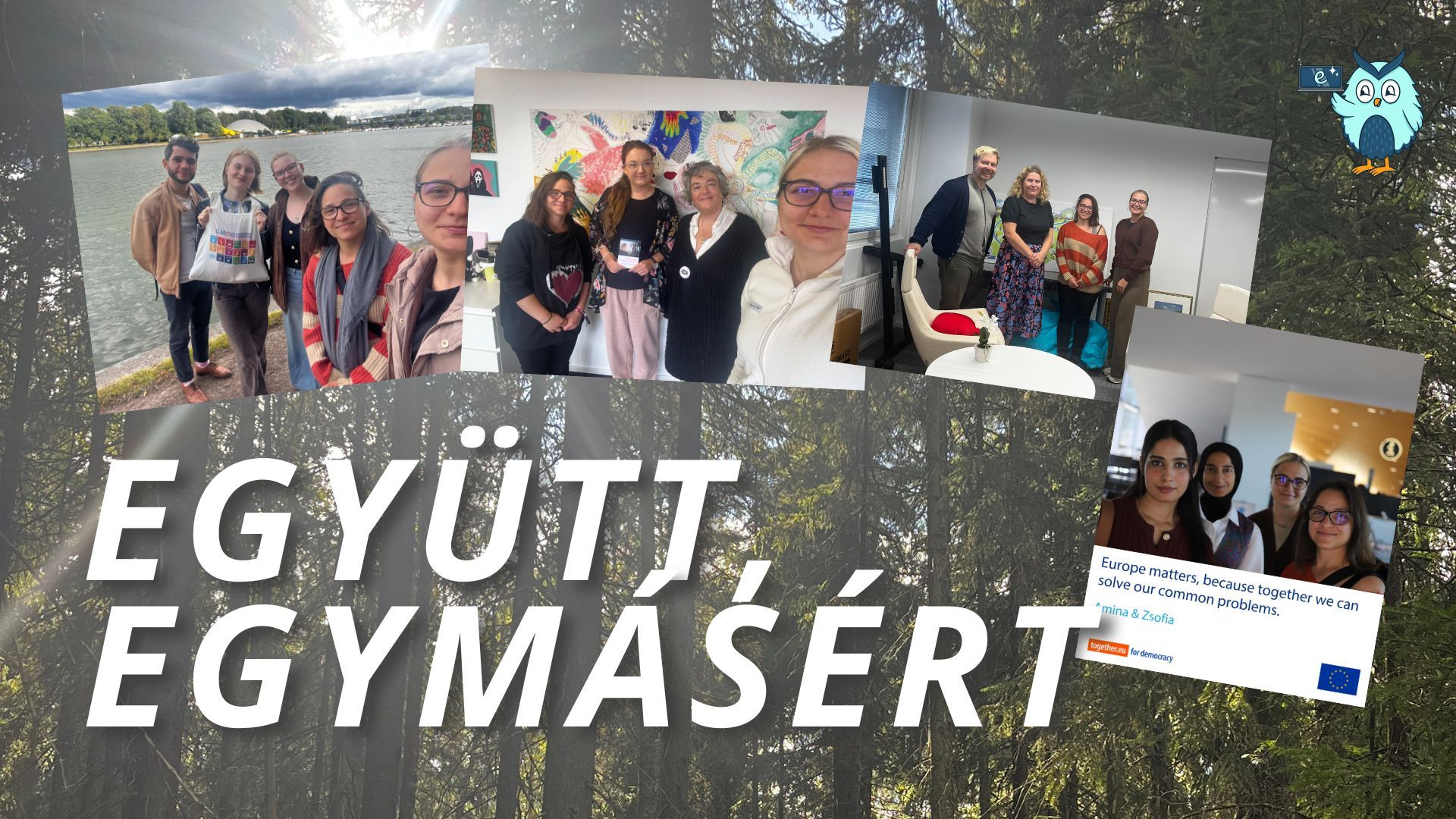
Everyone is capable of it – our Finnish experiences
When we were in Finland on our study trip, the same pattern emerged again and again in youth organizations: people are not only listened to, but genuinely involved in decision-making. Not at the level of PR, but in everyday practice. A program is not made “for them,” but “with them” — and this fundamentally changes the atmosphere.
When participants know they have a say, they relate differently: they become shapers rather than consumers. Organizations become more flexible because they start from real needs, not assumptions.
From a Hungarian perspective, this is perhaps one of the greatest sources of inspiration: there is no need for a revolution — it is enough to consciously make space for opinions. If we take questions seriously and are willing not only to ask for feedback but also to make changes, anything becomes possible.
A culture of trust does not mean loosening rules, but recognizing that people are capable of making responsible decisions — if we allow them to.

Would you like to know more? We documented our travels, so you can explore the knowledge the Finns shared with us in 5+1 episodes.
How can someone become a good helper online?
Your presence can be truly meaningful even online.
For example, the Finnish organisation of SOS Children’s Villages teaches its volunteers how to practise attentive listening online - something we can all use, both as helpers and in everyday life.
Volunteers hold a special place in the life of these organisations. They are involved in decisions, developments, and transformations - which helps them become much more committed.
Together, for each other - Part 5 of our Finnish journey
And what appeared everywhere: the community. New methodologies, new knowledge, but we must never forget that we grow best in the company of others – and the organisations pay attention to this too.
Watch the interviews here!
