
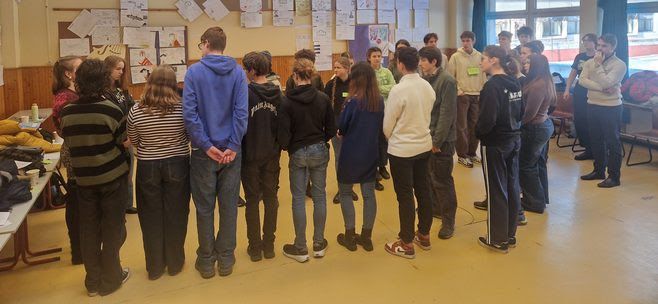
“What Did It Feel Like to Turn Around?” - January Mentor Training
“Turning around doesn’t always feel good.”
This is what one of our mentors said at the end of a training exercise. During the activity, participants step forward or backward in response to different statements, and by the end it becomes visible how differently we all start out in life. This exercise is called the privilege walk.
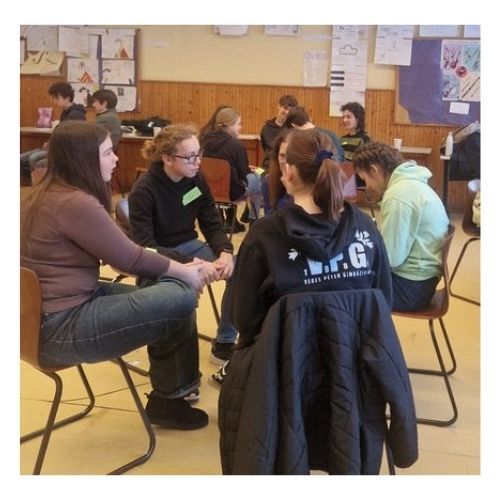
The silence that emerges at moments like this always speaks volumes. Because when someone turns around and sees how far others have fallen behind - or how far ahead they have moved - it is no longer just the outcome of a game. It becomes a realization about our own opportunities, limitations, and advantages. And about the very different realities the students we work with come from.
At E-mentoring, these moments matter. Not because we want to create guilt, and not because we want to deepen differences, but because we want to understand each other better. So that in our educational work we do not see only performance, but also the stories behind it.
We often talk about equity, justice, and equal opportunities, and these themes play an important role in our trainings as well. Mentors learn about the social processes shaping the world around them, they learn how to support others, and how to connect without boundaries. Because children living at opposite ends of the country, coming from completely different backgrounds, may still share the same interests - yet without E-mentoring, this might never come to light. And connection is always the beginning of something very good.
The privilege walk often brings difficult emotions. But the realizations born in these moments help build the mindset our students need most: understanding, patience, and conscious support.
Because sometimes it truly doesn’t feel good to turn around.
But without it, we cannot see the whole picture.
This project is implemented with the support of the European Union’s “Citizens, Equality, Rights and Values” (CERV) programme. The support of the European Commission does not imply approval of the content of the activities carried out within the framework of the project, which reflects solely the views of the implementers, and the Commission cannot be held responsible for any use that may be made of the information contained therein.
